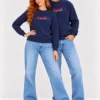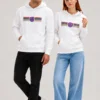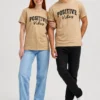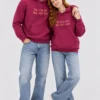
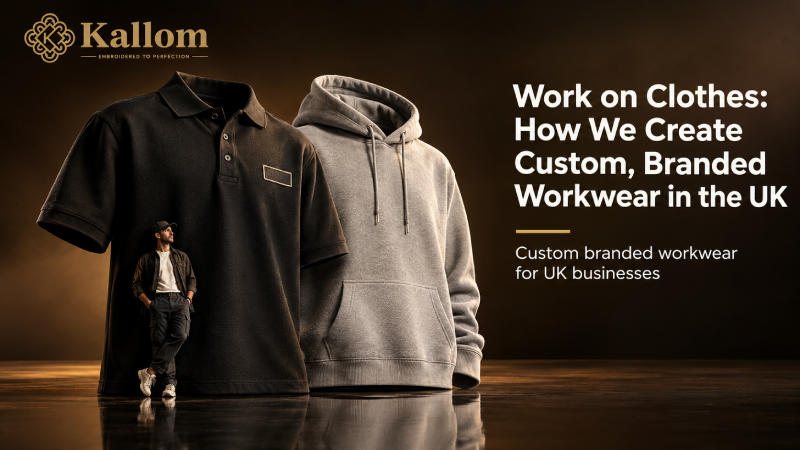
Every branded T-shirt, hoodie or polo a team wears says something about the business behind it, whether that's intentional or not. Over more than a decade working on fit and embroidery for UK brands, we've learned that how a business chooses to work on clothes, the fabric, the fit, the finish, is rarely just a styling decision. It's a brand decision.
In this guide, we'll walk you through what workwear branding actually means, why it matters, and exactly how we take a business from a rough idea to a finished, branded garment, so you know what to expect before you place an order.
What is Workwear Branding?
Workwear branding is the process of adding a business's identity, usually a logo, name or colour scheme, onto clothing worn by staff, teams or representatives. It turns a plain garment into a piece of branded communication, worn on the shop floor, in an office or out on a job site.
At its simplest, it can be a small embroidered logo on a polo shirt. At its most developed, it's a full uniform system: consistent colours, consistent fit and consistent branding across every role in a business. Either way, the goal is the same: make the brand visible, recognisable and consistent, without it looking like an afterthought.
Why Businesses Use Clothing as a Branding Tool
Clothing is one of the few branding tools that moves through the world with your business. A logo on a website is seen when someone visits it. A logo on a uniform is seen on every commute, every client visit and every shift, whether anyone's actively looking for it or not.
That's part of a much bigger picture, and it's one reason we built Kallom the way we did. If you want to understand our approach to this in more depth, our About Us page explains how we think about branding through clothing, not just as decoration, but as a form of everyday, ambient marketing that compounds over time.
A few reasons clothing works so well as a branding tool:
- It's seen repeatedly, not just once, which builds recognition naturally
- It creates a consistent first impression, especially in client-facing roles
- It signals professionalism without anyone having to say a word
- It travels with the business, into places a website or advert never reaches
Why Branded Workwear Matters for Your Business
Beyond visibility, branded workwear does something quieter but arguably more important: it builds a sense of belonging within a team. We've seen this play out repeatedly with clients, staff wearing a well-fitted, properly branded uniform tend to carry themselves differently than staff in a generic, unbranded T-shirt.
There's a trust element too. Customers and clients read consistency as competence. A team in matching, well-made branded clothing feels more established and more trustworthy than one in mismatched basics, even if the underlying business is identical. In our experience, this matters just as much for a five-person startup as it does for an established company with fifty staff.
Popular Workwear Items You Can Customise & Brand
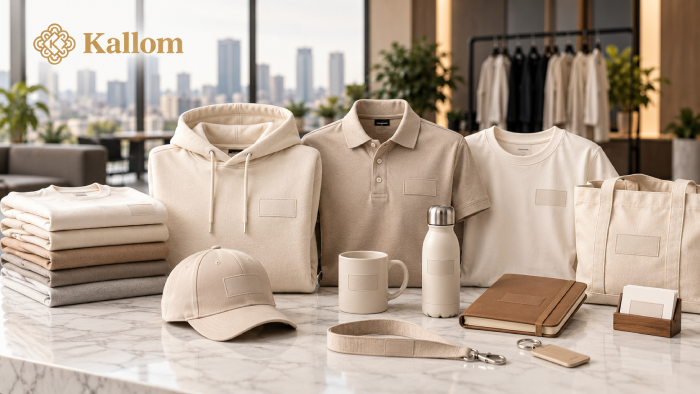
Not every garment suits every business, and part of our job is helping teams choose the right base pieces before we even talk about branding. These are the items we're asked to work on most often:
- Polo shirts: a smart-casual staple for client-facing and hospitality roles
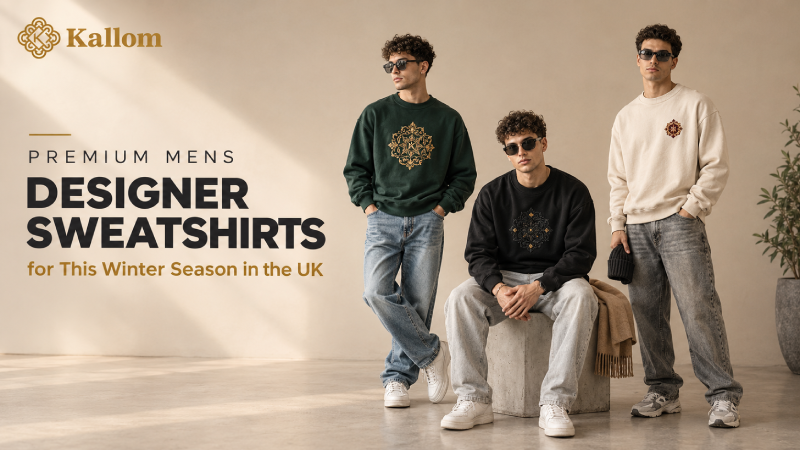
- T-shirts: versatile, comfortable, and easy to brand for retail, events or casual teams. Our Designer T-Shirts collection is a popular starting point for teams wanting something more considered than a plain basic
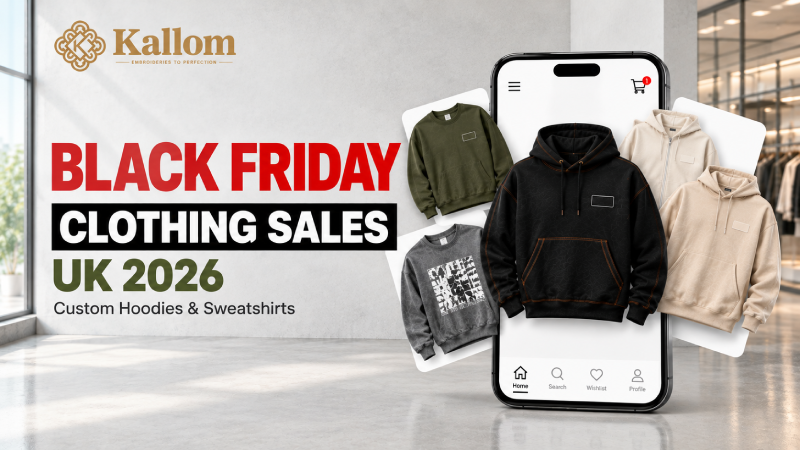
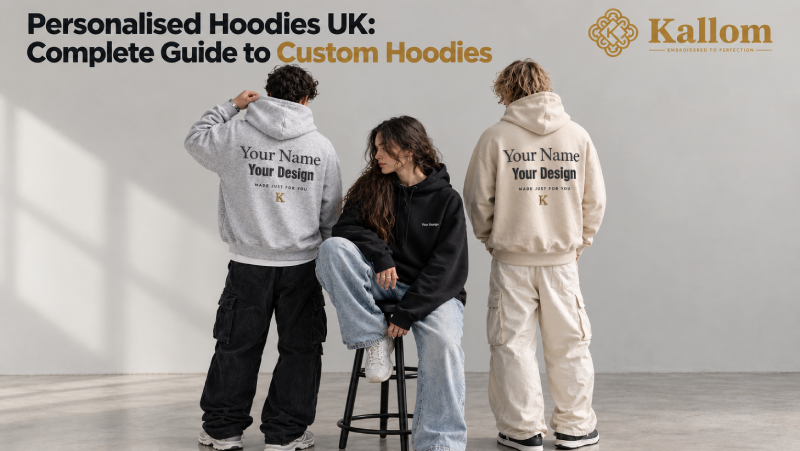
- Hoodies and sweatshirts: ideal for warehouse, delivery, trades or creative teams needing warmth and comfort
- Jackets and gilets: for outdoor roles or as a smarter outer layer over other branded pieces
- Caps and beanies: a low-cost, high-visibility branding option, especially for events or seasonal teams
How to Pick the Best Embroidery Method for Your Apparel
This is a question we get asked constantly, and the honest answer depends entirely on the design and how the garment will be used. If you're new to the topic, our guide to What Is Embroidery is a good starting point before deciding between methods.
In practice, we usually recommend:
- Embroidery for small logos, initials or simple marks that need to survive daily wear and frequent washing
- Printing for larger graphics, detailed artwork or designs with many colours, where thread can't reproduce the fine detail
- A mix of both for teams who want a subtle embroidered logo on everyday pieces and a bolder printed design on event-specific clothing
The biggest mistake we see is choosing a method based on cost alone rather than how the garment will actually be worn day to day. A cheaper print that fades within a few months usually ends up costing more in reorders than a slightly pricier embroidered version that lasts for years.
Choosing the Right Fabric and Fit for Work Clothes
Fabric and fit are where most workwear either succeeds or quietly fails. A logo can look perfect on a screen and still look wrong on a garment that doesn't fit properly or wears out after a month of regular use. If you're deciding between heavier and lighter layers for your team, our Sweatshirt vs Hoodie comparison breaks down which suits which working environment.
A few things we always check before recommending a fabric or fit:
- GSM (fabric weight): heavier fabrics generally hold their shape and branding better under daily wear
- Fit: a relaxed, structured fit reads as more professional than something too tight or too baggy
- Colour consistency: darker, saturated colours tend to hold embroidery and print colour better over repeated washing
- Comfort across a shift: workwear that's uncomfortable after a few hours gets left in a locker, no matter how good the branding looks
Industries We Serve Across the UK
We work with a genuinely wide range of businesses, and each industry tends to have slightly different priorities when it comes to workwear.
- Office and corporate teams: subtle, professional branding, often on polos or smart-casual basics
- Hospitality and retail: durable, easy-care fabrics that still look sharp after a full shift
- Trades and outdoor work: heavier layers, like our Men's Oversized Hoodies, built to handle rougher daily use
- Small businesses and startups: often ordering their first branded pieces, usually in smaller quantities to start
Whatever the industry, the underlying question is always the same: what does this team actually do all day, and what does the clothing need to survive?
How to Order Custom Branded Workwear from Kallom
Ordering with us is designed to be straightforward, even for teams who've never done a branded order before. If you'd like to see the full range before you start, you can Browse the Full Collection and get a feel for what's available.
- Share your brief. Team size, industry, garment preferences and any existing brand guidelines.
- Choose your garments. We'll help you pick the right base pieces for how your team actually works.
- Decide on branding. Embroidery, print, or a mix, based on your design and budget.
- Approve a preview. You see exactly how the finished piece will look before production starts.
- Production and delivery. Your order is made and shipped, with tracking provided along the way.
That preview step matters more than people expect. We'd rather a client spot an issue on a digital mock-up than after fifty garments have already been made.
Caring for Your Branded Work Clothes
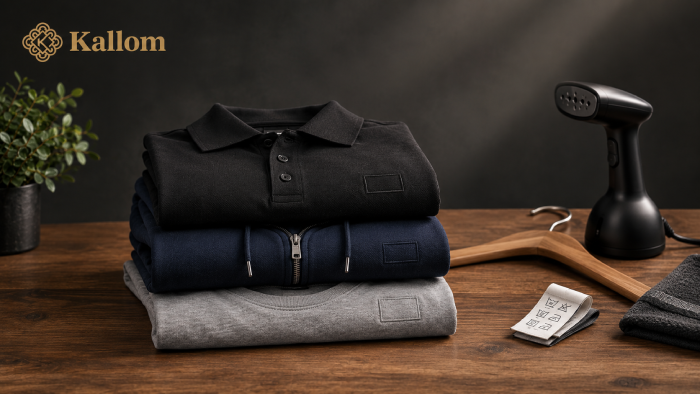
How a branded garment is cared for has a real effect on how long the branding itself lasts, not just the fabric. The right approach also depends slightly on the method used, and our breakdown of Embroidery vs Printed Clothing covers this in more detail if you're managing care instructions for a mixed order.
- Wash garments inside out to protect the branded surface from direct friction
- Use a cool or warm wash rather than hot, which is the biggest cause of colour and shape loss
- Avoid fabric softener on embroidered pieces, as it can loosen stitching over time
- Skip the tumble dryer where possible, or use a low heat setting
- Iron away from the branded area, or turn the garment inside out first
We always tell clients the same thing: a £30 branded polo cared for properly will outlast a £30 polo washed carelessly by years, not months.
Why Choose Kallom for Your Branded Workwear
When a business works with us, they're not just buying a garment, they're buying a process built around getting the branding right the first time. Every hooded sweatshirt, T-shirt or polo we produce goes through the same standard we'd apply to our own Work Hooded Sweatshirts: a relaxed, structured fit, durable fabric, and hand-finished branding that's built to last.
Here's what working with us actually looks like in practice:
- UK-based, made to order: each piece is produced specifically for your team, not pulled from generic stock
- Live preview before production: you approve the exact placement and colour before anything is made
- Fast dispatch: most orders ship within 2-3 days once production begins
- Free UK delivery: on all orders over £40
- Support for bulk and team orders: we're used to handling everything from five pieces to full team rollouts
Conclusion
Getting workwear branding right isn't about picking the flashiest logo placement, it's about choosing the right garment, the right method and the right fit for how your team actually spends their day. Get those basics right, and the branding takes care of itself, wearing well and looking considered long after the first wash.
Ready to work on clothes that actually represent your business? Get in touch and let's build a branded workwear order around exactly what your team needs.
Frequently Asked Questions
What does "working on clothes" mean at Kallom?
It refers to our full process of turning a plain garment into finished, branded workwear. It starts with choosing the right base piece for your team, then moves through embroidery or printing, and finishes with a proper quality check before anything ships, so every single garment leaves us genuinely ready for daily wear, not just for a photo.
Can you brand clothes we already own, or only new garments?
In most cases, we work with new garments to guarantee a consistent quality and fit across a whole team order. Working from our own stock also means colours, sizing and fabric weight stay predictable across every piece, though it's always worth getting in touch to discuss your specific situation and any existing stock you may already have.
How many pieces do we need to order for a team?
This varies by product and method, so it's worth checking current minimums before you place an order. In practice, we regularly handle everything from a handful of pieces for a small team to much larger bulk orders for growing businesses, and we're always happy to talk through what genuinely makes sense for your size.
How long does a bulk order take?
Timelines depend on order size, garment choice and the branding method used, so we always confirm an estimated timeframe once your brief and quantities are fully agreed. Larger or mixed-method orders naturally take a little longer than a small batch, which is something we'll flag clearly before production ever begins.
Can we mix embroidery and printing in one order?
Yes, many teams choose embroidery for everyday pieces that need to hold up to frequent washing, and printing for event-specific or more detailed designs within the very same order. We're well used to managing both methods together, so your team can have a genuinely consistent look across every single garment type.